
Unmasking the Hidden Toxins in Your Everyday Cleaners: Why Probiotic Cleaners are the Safe, Smart Swap Your Home Needs
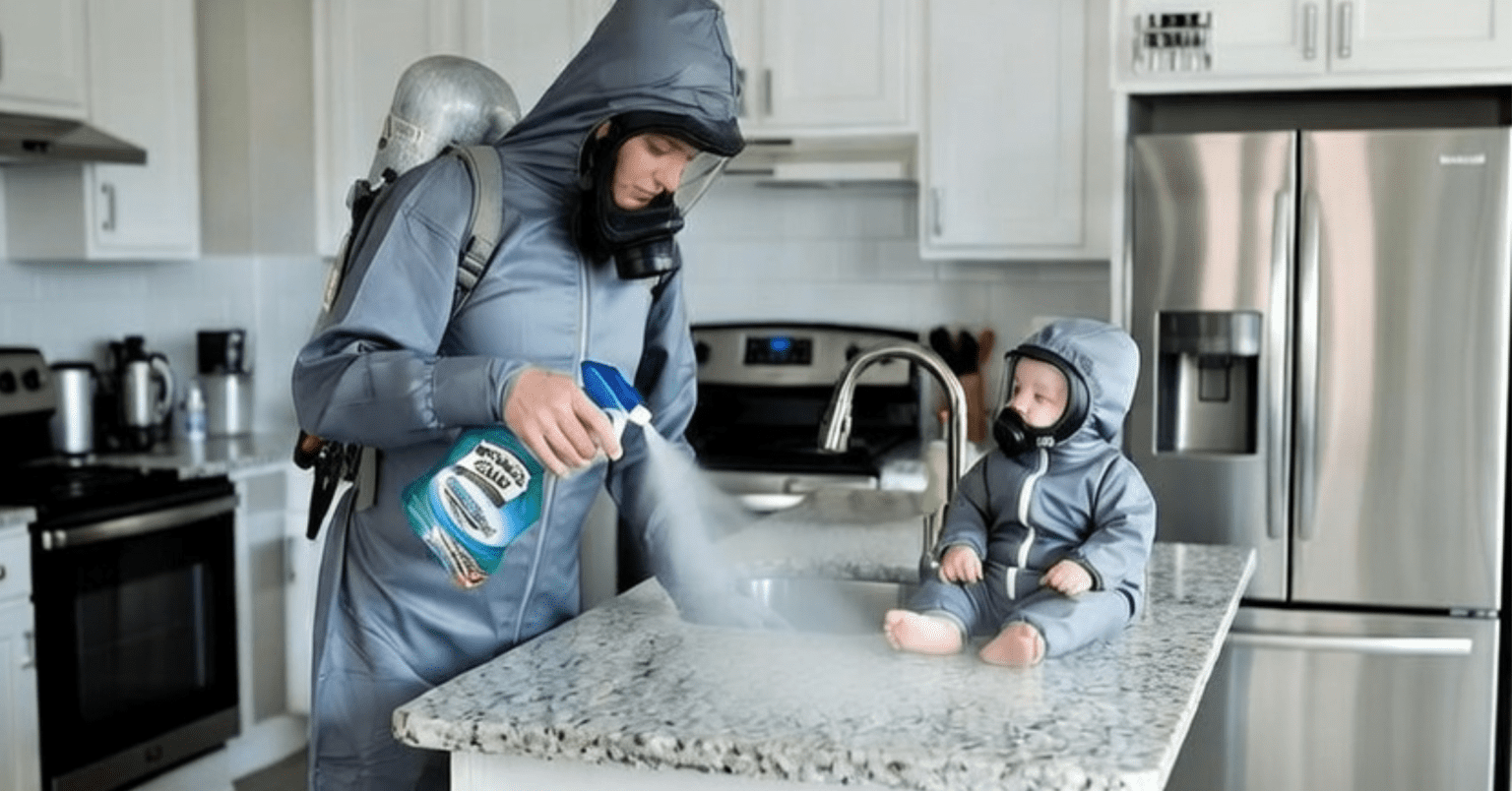
If you’re searching for safer probiotic cleaners to replace traditional ones, you’re not alone. That crisp, ‘fresh’ scent from your favorite disinfectant often masks hidden toxins in everyday cleaners like bleach and ammonia. Many popular household products contain chemicals linked to asthma, skin irritation, hormone disruption, and more serious health risks. The good news? Natural probiotic cleaning products offer a smarter, science-backed way to keep your home spotless without the danger.
Recent studies reveal alarming truths: Volatile organic compounds (VOCs) released from common cleaners can lead to chronic respiratory issues, headaches, and allergic reactions. In fact, a peer-reviewed analysis of 30 cleaning products found over 193 hazardous VOCs with links to cancer, reproductive harm, and developmental issues. And it’s not just you—kids, pets, and even wildlife are at risk from these chemicals seeping into our air, water, and soil. But here’s the good news: You don’t have to choose between a spotless home and safety. Enter the game-changer—science-backed probiotic cleaners like those from Protekt, which deliver deep, long-lasting protection without the poison.
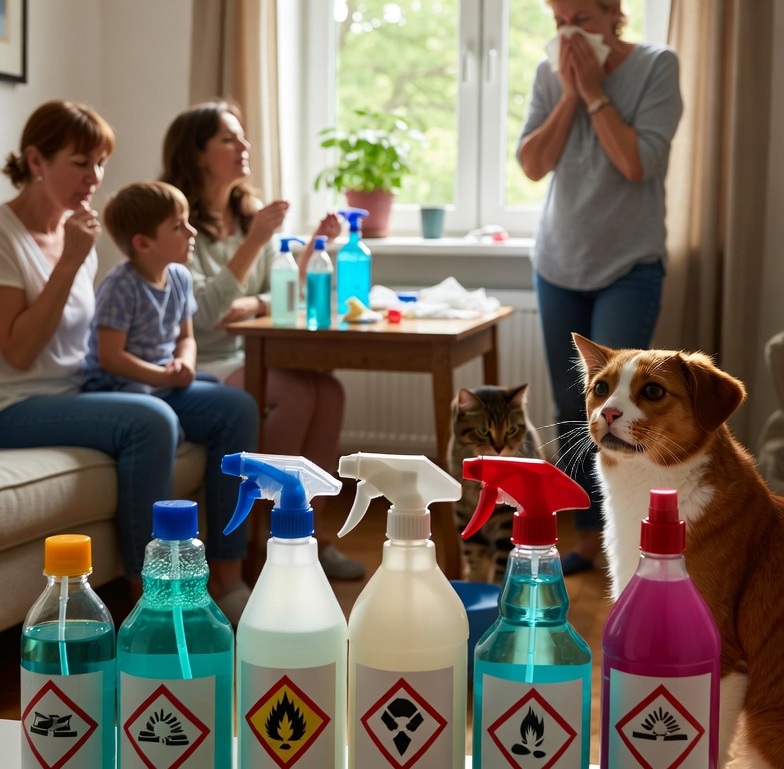
In this guide, we’ll dive deeper than ever into the dangers hiding in your cleaning cabinet, arm you with knowledge to avoid common pitfalls, and show you how Protekt’s innovative probiotic formulas are revolutionizing home care. We’ll even share practical tips, backed by the latest research, to help you make the switch effortlessly. Because your home should be a sanctuary, not a science experiment gone wrong.
The Toxic Truth: How Common Cleaners Are Sabotaging Your Health
While these chemicals promise a clean home, they come at a cost—making probiotic cleaners an increasingly popular safe swap.
Household cleaners aren’t just about sparkle—they’re chemical cocktails that can irritate your lungs, skin, and more. Research shows that regular exposure, especially from spray forms, boosts the risk of asthma, wheezing in kids, and poorly controlled respiratory symptoms in adults. Women and professional cleaners face heightened dangers, with links to rhinitis and long-term health woes. Even “green” labeled products aren’t always innocent, as many still emit harmful fumes or residues.
Worse yet, mixing these cleaners can turn your home into a hazard zone. One of the most common (and deadly) mistakes? Combining bleach with everyday items like ammonia, vinegar, lemon, or rubbing alcohol. This reaction produces toxic chlorine gas or chloramines, leading to coughing, nausea, chest pain, watery eyes, and in severe cases, pneumonia or even death. Bleach plus ammonia creates chloramine vapors that irritate the throat and eyes, while bleach with acids (like vinegar) forms corrosive hydrochloric acid.
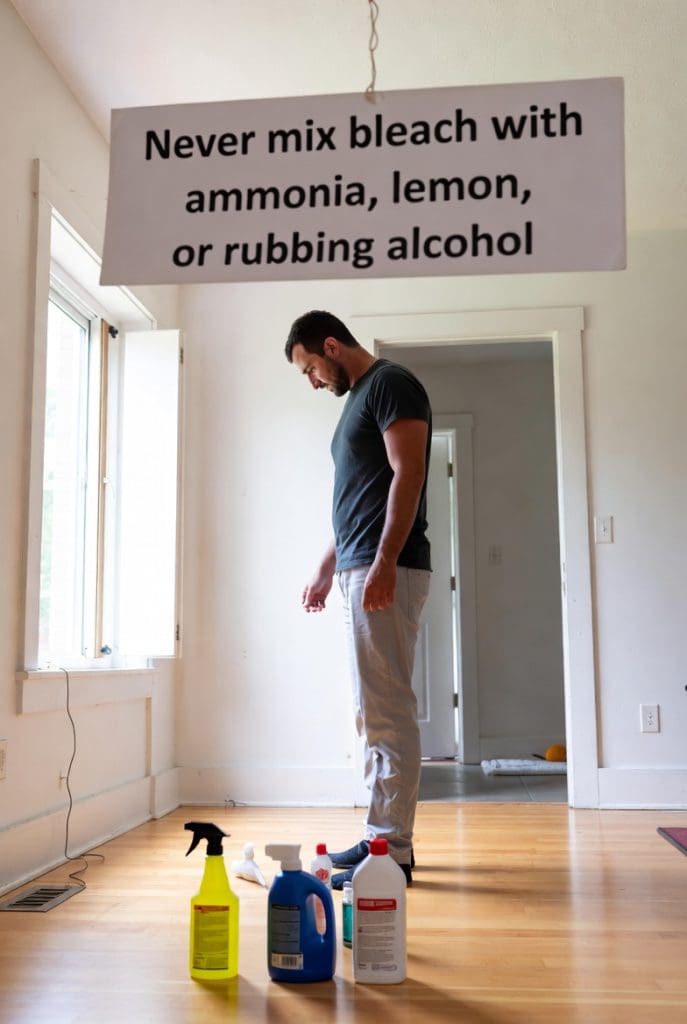
Pro tip: Always read labels, ventilate well, and never mix—your lungs will thank you.
To empower you further, here’s a refreshed breakdown of six sneaky culprits to ditch from your routine, expanded with science-backed insights and real-world impacts:
1. Ammonia: The Invisible Lung Irritant
This powerhouse for glass and surfaces might shine things up, but inhaling its vapors can cause immediate lung irritation, burns on skin contact, and chronic breathing problems. Mix it with bleach? You’re brewing chloramine gas, a recipe for respiratory distress. Studies link ammonia exposure to occupational asthma and eye/throat irritation, making it a no-go for homes with kids or asthmatics.
2. Chlorine Bleach: Overkill with a Toxic Twist
Sure, it’s “strong,” but is it too much? Bleach releases fumes that irritate lungs, skin, eyes, and mucous membranes, potentially causing burns or hazardous gases when mixed. Long-term use is tied to respiratory diseases and even fluid buildup in lungs. Bonus fact: It’s corrosive to surfaces and the environment, contributing to water pollution.
3. Hydrochloric and Phosphoric Acids: Bathroom Baddies
Found in toilet and tile cleaners, these acids pack a punch—leading to skin burns, blindness from splashes, and severe respiratory damage. They’re highly corrosive, eating away at fixtures and harming aquatic life when flushed away. Research highlights their role as irritants that damage cellular tissues upon inhalation.
4. Sodium or Potassium Hydroxide (Lye/Caustic Soda): The Corrosive Culprit
Lurking in drain and oven cleaners, these alkalis can corrode surfaces and cause serious burns or injuries on contact. They’re linked to eye damage and respiratory issues, with no safe level for direct exposure.
5. Ethanolamines (DEA, TEA, MEA): Sneaky Stabilizers with Cancer Links
Used to balance pH in formulas, these can react to form carcinogenic nitrosamines, tied to respiratory irritation and long-term cancers. Endocrine disruptors at heart, they mess with hormones, affecting reproduction and development.
6. Triclosan: The Antibiotic-Resistance Promoter
Once a staple in antibacterial soaps, triclosan disrupts thyroid function, heightens allergy risks, and fosters superbugs resistant to antibiotics—even in tiny doses. Banned in some products, it still lingers in cleaners, posing environmental threats as it bioaccumulates. This is why many are turning to probiotic-based cleaners that avoid fostering resistance.
Feeling overwhelmed? You’re not alone. But knowledge is power—start by scanning labels and opting for fragrance-free, non-aerosol options as a quick fix. Better yet, let’s talk solutions that go beyond avoidance.
Why Probiotic Cleaners Are Revolutionizing Your Cleaning Routine
What if cleaning could be gentle yet mighty, working smarter—not harder—to keep germs at bay? That’s the magic of probiotic cleaners like Protekt, a trailblazing brand of external-use probiotic products for homes, humans, and animals. Ditching harsh chemicals, Protekt harnesses the power of living probiotics and prebiotics to clean deeply and protect surfaces for up to five full days (or even 72+ hours in some cases). How? Through “competitive exclusion”—beneficial Bacillus bacteria outcompete harmful pathogens, break down stubborn biofilms, and produce enzymes that tackle grime naturally.
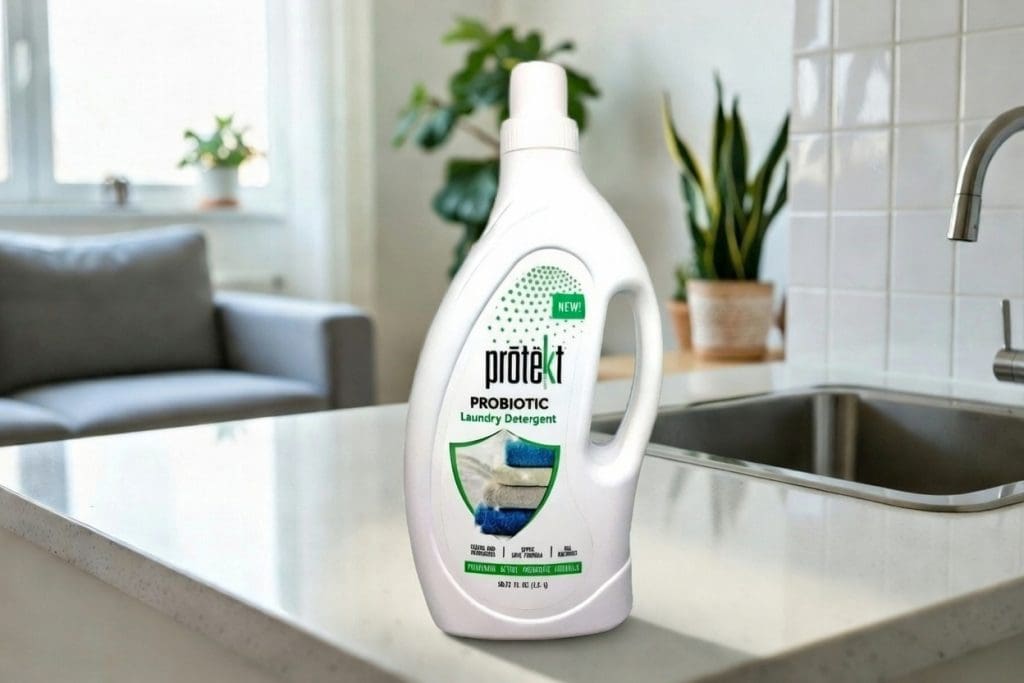
Backed by emerging research, probiotic cleaners like Protekt’s have proven as effective as chemical disinfectants in reducing hospital-acquired infections (HAIs) by up to 52%, slashing pathogens by 80%, and even curbing antimicrobial resistance. Studies show they’re non-inferior for tackling viruses like SARS-CoV-2 and multi-drug-resistant organisms (MDROs), all while being safer for daily use. No toxic fumes, no gloves needed—just effective, eco-friendly results that lower costs and antimicrobial use in real-world settings.
Protekt’s lineup is versatile and family-friendly:
- Household Heroes: Multi-surface sprays, laundry boosters, dish liquids, and odor eliminators that banish allergens and keep working long after application.
- Personal Wellness Wins: Hand gels, skin serums, face mists to balance your microbiome and soothe irritations.
- Pet Pals: Sprays for fur babies and livestock to tackle hot spots, odors, and infections gently.
Core ingredients are transparent and trustworthy:
- Prebiotics and Probiotics Blend: Fuels good bacteria for ongoing protection.
- Water and Bacillus Ferment: Natural base that’s safe and effective.
- Phenoxyethanol: Gentle preservative.
- C9-11 Pareth-3: Non-toxic surfactant for grease-busting power.
- Tetrasodium Glutamate Diacetate: Biodegradable helper for hard water woes.
Ditch Toxins for Probiotic Cleaning Products
Plus, they’re cruelty-free, hypoallergenic, and planet-positive—biodegradable with no harmful runoff. Imagine spraying your counter and knowing it’s safe for your toddler to touch or your pup to sniff.
Extra Tips to Level Up Your Clean: Give Your Home the Edge It Deserves
To go beyond the basics, try these consumer-savvy hacks:
- Myth Buster: Probiotics aren’t just for guts—they’re proven to rebalance indoor microbiomes, reducing recontamination risks.
- Daily Wins: Use Protekt for allergen control in bedrooms or pet areas—customers rave about fresher air and fewer sneezes.
- Eco Boost: Pair with reusable cloths to cut waste; studies confirm probiotics support sustainable cleaning without compromising efficacy.
- Level Up: with eco-friendly probiotic cleaners for even better allergen control.
Your Safer Space Starts Now
Your home is your haven—it shouldn’t come with a health hazard label. By steering clear of villains like ammonia, bleach, acids, and quats (quaternary ammonium compounds, another irritant in many disinfectants), and embracing probiotic cleaners means a healthier home, you’re not just cleaning; you’re protecting what matters most. Healthier family? Check. Greener planet? Absolutely. Deeper clean that lasts? You bet.
Make the Switch to Probiotic Cleaners Today
Ready to transform your routine? Head to www.ProtektOnline.com for concentrates, bundles, and more. Your fresher, safer tomorrow awaits—let’s make it spotless!