
The Hidden Health Risks of Your Hearing Aids, Earbuds, And Headphones: Pathogens and Their Effects on Ear Health
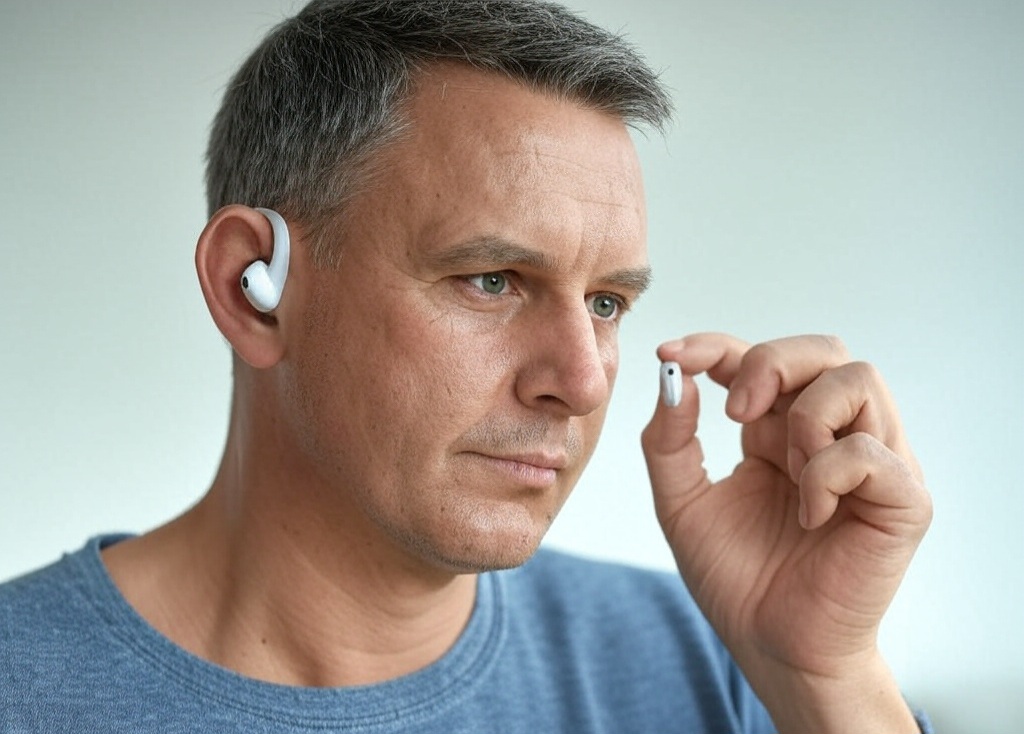
In 2026, earbuds aren’t just for music—they’re increasingly doubling as hearing aids. With FDA-approved features in devices like Apple’s AirPods Pro and rising adoption of earbud-style aids (per MarkeTrak 2025), keeping them clean has never been more critical. Dirty earbuds health risks go beyond discomfort: they can harbor bacteria that lead to infections and undermine your ear health.
Recent studies show earphones can carry significant pathogens. A 2025 Nature Scientific Reports article highlighted how earphone use alters ear canal flora, increasing risks of bacterial growth in moist environments. Swabs from everyday earbuds often reveal bacteria like Staphylococcus aureus and E. coli—pathogens linked to skin infections and more serious issues.
The good news? Simple, consistent hygiene habits can protect your ears while letting you enjoy clear sound. Let’s explore the hidden dangers and practical ways to stay safe.
The Hidden Pathogens Lurking on Your Devices
Your ears produce wax naturally to trap dirt and germs, but in-ear devices like earbuds, headphones, and hearing aids create a warm, moist seal that traps moisture and wax. This environment becomes a breeding ground for bacteria and fungi.
Studies confirm dirty earbuds health risks are real:
- Frequent use increases bacterial colonization, similar to hearing aids, which alter ear canal flora and raise infection odds (SoundGuys, 2024-2025 updates).
- A Newsweek swab test found common pathogens including Staphylococcus aureus (linked to skin infections) on everyday headphones.
- Research in Scientific Reports (2025) notes earbuds can promote otitis externa (“swimmer’s ear”) by trapping humidity and introducing germs.
Here’s a visual of how dirty these devices can get:
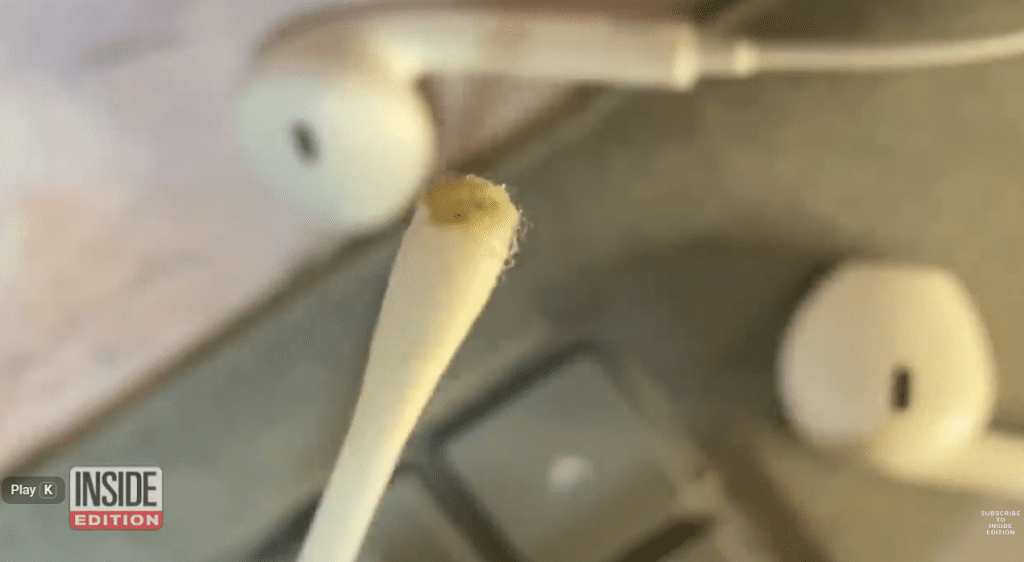
These images and video illustrate the buildup of wax, debris, and bacteria—often 10x dirtier than a toilet seat if neglected.
Sharing devices worsens the problem, transferring germs like sharing a toothbrush.
Health Fallout: From Infections to Long-Term Issues
Dirty devices don’t just cause temporary irritation—they can lead to serious ear health problems.
Common risks include:
- Outer ear infections (otitis externa): Painful, itchy inflammation from bacteria thriving in trapped moisture (Mayo Clinic Health System).
- Skin issues: Folliculitis or acne around the ear from Staph aureus.
- Worsened hearing aid performance: Buildup muffles sound and reduces device lifespan.
- Increased infection odds: Hearing aids already raise risks; unclean earbuds amplify this, especially with rising adoption—MarkeTrak 2025 reports hearing aid use (including OTC/earbud-style) at ~39% among those with hearing difficulty, up from prior years.
For hearing aid users, poor hygiene undermines benefits like improved speech clarity in noise.
If you notice pain, itching, discharge, or muffled sound, consult a professional promptly.
Special Focus: Hearing Aids in the 2026 Era
Hearing aid technology has advanced dramatically. MarkeTrak 2025 shows adoption climbing, with many opting for discreet, earbud-like designs.
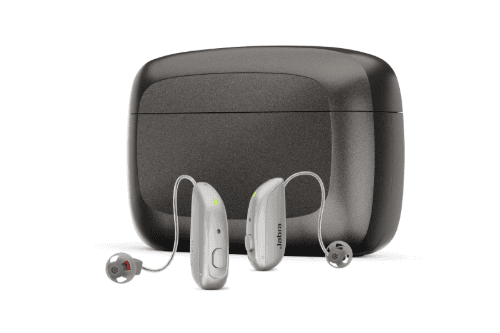
But dirty hearing aids can negate these gains—wax buildup blocks sound, and bacteria increase infection risks. New AI-enhanced models (e.g., Jabra Enhance series) offer better noise processing, but manual cleaning remains essential, as no true “self-cleaning” features fully replace daily care.
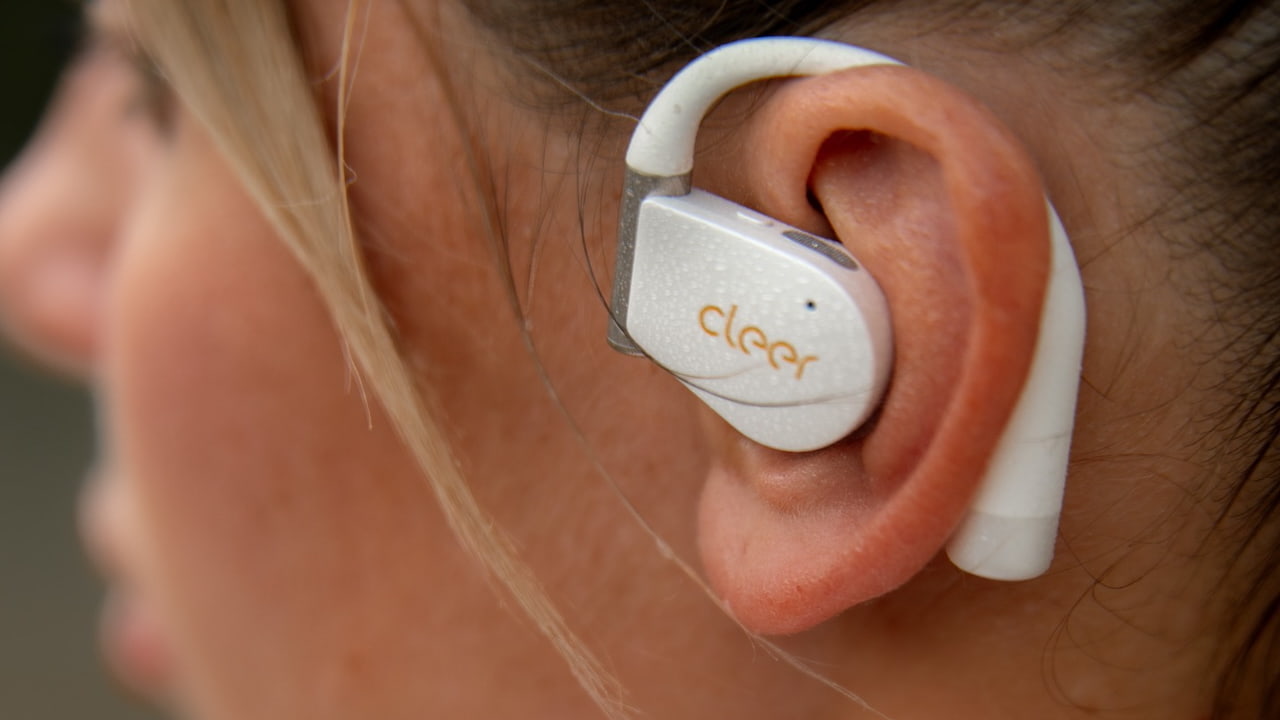
Here’s a look at modern, advanced hearing aids/earbuds that prioritize clear sound:
Proven Prevention Tips:
Keep Your Devices (and Ears) Healthy
Follow these 2026 best practices from sources like NCOA and Mayo Clinic:
- Daily Quick Clean
- Wipe earbuds/tips and hearing aid shells with a soft, dry cloth.
- Use a soft brush to gently remove debris from microphone ports and speakers (never insert sharp objects).
- Weekly Deep Clean
- For removable tips/domes: Wash in warm, soapy water (electronics-free parts only), then dry overnight.
- Replace wax guards/filters monthly or when sound muffles.
- Safe Tools & Avoids
- Use approved brushes, wax picks, or air blowers.
- Avoid Q-tips, alcohol, or household cleaners—they damage coatings or push wax deeper.
- For rechargeable models, wipe charging contacts gently.
- Probiotic Boost for Natural Defense
- Consider probiotic-based sprays—they break down bacteria biofilms naturally without harsh chemicals, supporting a balanced ear microbiome.
- Storage & Habits
- Store in a dry case or dehumidifier nightly.
- Limit sharing; clean between users.
- Dehumidify in humid climates.
Here’s a helpful step-by-step infographic for cleaning:
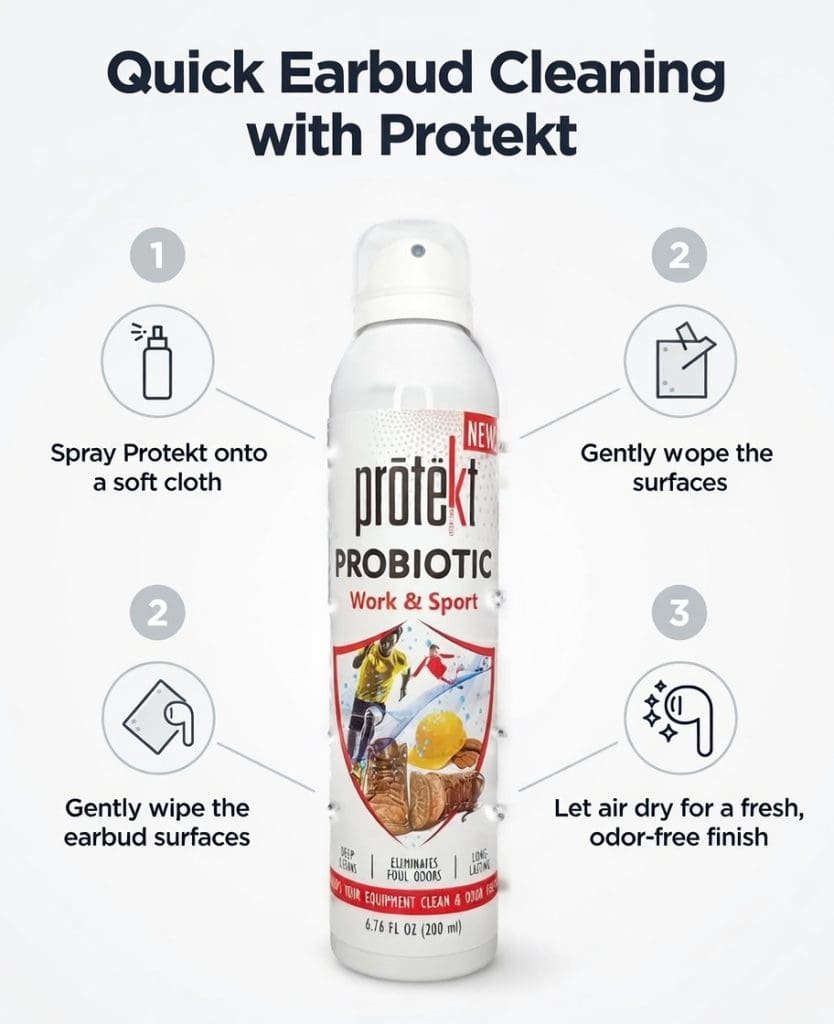
Regular cleaning extends device life, prevents infections, and ensures clearer hearing.
Emerging Trends in 2026:
Smarter, Safer AudioAI features in devices like Jabra Enhance improve speech focus and noise reduction, but hygiene is key to maximizing them. WHO reports highlight growing need for ear health awareness as audio tech evolves.By staying proactive, you protect against dirty earbuds health risks and enjoy benefits like better focus and connection.
Final Thoughts: Prioritize Your Ear Health
Your ears deserve protection—implement these tips for safer, longer-lasting use of earbuds, headphones, and hearing aids. Small daily habits make a big difference in preventing infections and maintaining clear sound.
Have you noticed buildup on your devices? Share your cleaning routine in the comments—we’d love to hear what works for you!
For natural, effective cleaning solutions that support microbiome balance, explore probiotic options designed for everyday gear.
Stay safe and hear well in 2026!
(Word count: ~1600 | Sources: Nature Scientific Reports 2025, MarkeTrak 2025, Mayo Clinic, NCOA, SoundGuys, Newsweek)